For any business that depends on power, an unexpected electrical failure is a commercial problem as much as a technical one. Preventive electrical maintenance is the planned, scheduled work that keeps an installation reliable and safe before a fault becomes a failure. This guide explains what a practical programme covers, how often it should be scheduled, and when to call a qualified electrician instead of waiting.
Why preventive maintenance matters
Most electrical failures do not appear without warning. Loose terminations, overheating components, damaged insulation, dust build-up and moisture ingress develop over time and can be found during a routine inspection. Catching them early protects staff and property, reduces the risk of fire and shock, and avoids the cost and disruption of unplanned downtime.
Planned maintenance also supports the working life of the installation. Equipment that runs cooler, cleaner and within its ratings lasts longer, and a documented maintenance history makes it easier to plan replacements and upgrades before something fails at the worst possible moment.
What a planned maintenance programme covers
A programme should be matched to the property, its loads and its operating environment. The main areas below are typical of commercial and light industrial sites.
Distribution boards and protective devices
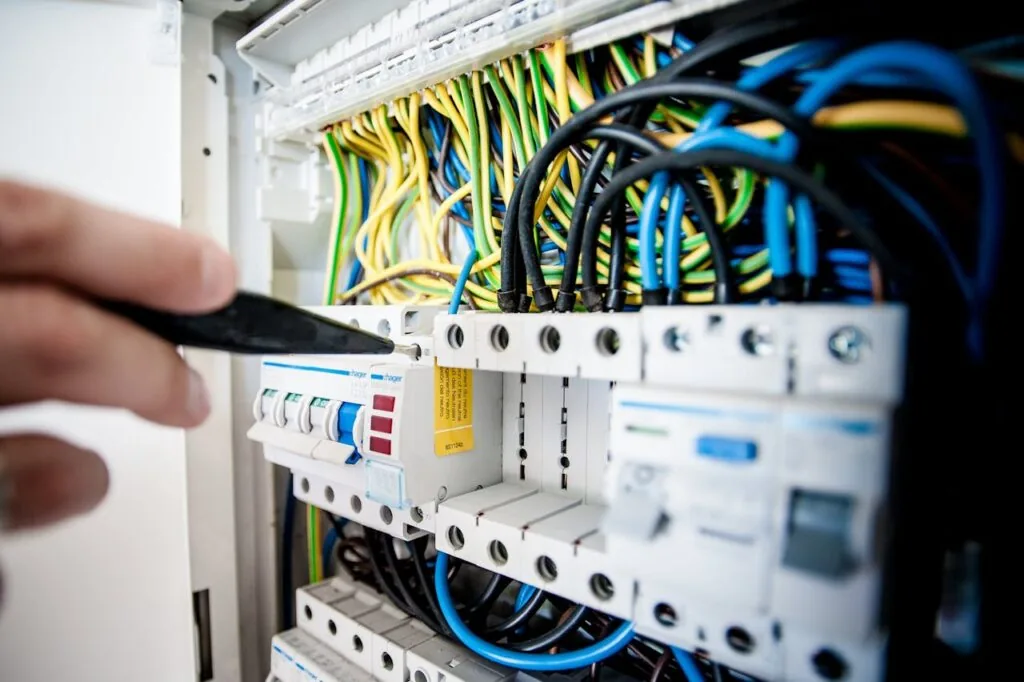
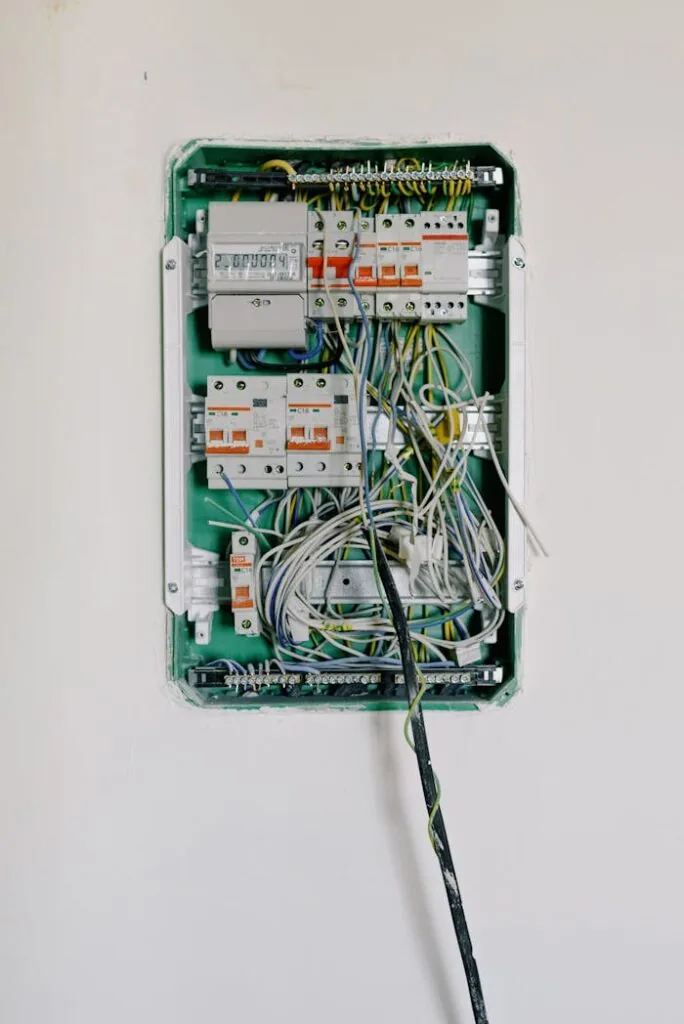
Boards are opened and inspected for heat damage, discolouration, corrosion and loose connections. Terminations are checked and tightened where required, and circuits are verified against the board labelling so that faults can be isolated quickly during an outage.
Thermal and visual inspection
Thermal inspection can highlight joints and components that are running hotter than they should, even when nothing looks wrong from the outside. It is combined with a visual check of cables, containment, glands and enclosures for mechanical damage, water ingress or overheating.
Circuit, earth and insulation testing
Where the scope requires it, circuits are tested to confirm continuity, correct earthing and healthy insulation resistance. These tests should only be carried out by a qualified electrician using the correct instruments and safe isolation procedures.
Lighting and emergency lighting
Failing lamps and fittings are replaced, and emergency lighting is checked so that it will operate when the mains supply is lost. Poor or failed lighting in staff, storage and access areas is both a safety and a security issue.
Motors, panels and equipment connections
Where the site has motors, pumps, control panels or machinery, terminations, ventilation and enclosure condition are checked, and dust build-up around heat-generating equipment is cleaned. Equipment should be maintained on a schedule that reflects how hard it works.
How often should maintenance be scheduled?
There is no single schedule that suits every property. The right frequency depends on the type of installation, the load, the environment and the age of the equipment, and it should be confirmed after an initial assessment.
High-use and industrial sites
Sites running heavy or near-continuous loads, or operating in dusty, hot, humid or corrosive conditions, generally need more frequent inspection than a typical office. Machinery, boards and connections are the priority areas.
Offices, retail and light commercial premises
Premises with regular daytime loads can usually follow a routine schedule, with boards, lighting, sockets and equipment connections checked and any reported faults addressed between visits.
Warning signs that should not wait
Some problems justify a call-out rather than a place on the next maintenance visit. Treat the following as a reason to arrange an inspection:
- A burning smell or visible scorch marks near a board, socket or fitting.
- Discoloured, cracked or warm switches, sockets and outlets.
- A breaker or earth leakage device that trips repeatedly, or trips with nothing obvious connected.
- Flickering, dimming or unstable lighting across more than one circuit.
- Buzzing from a board, panel or transformer.
- Water ingress, rust or corrosion around electrical equipment.
These are covered in more detail in our article on electrical warning signs around the home, and the same principles apply on a business site.
Records and compliance documents
Keep a record of what was inspected, what was found and what was done. A maintenance history supports better planning and gives a clear account of the condition of the installation over time. Where a property requires a Certificate of Compliance (COC), it must be issued by a registered electrical contractor once the installation is inspected and found to comply, and any defects that prevent compliance need to be corrected first. BITO ELECTRICAL can be contacted about COC inspections for residential, commercial and industrial properties.
Safety first: what property owners and managers should not do
Electrical work carries a real risk of shock, arc flash and fire. Do not open distribution boards, bypass protective devices or repeatedly reset a breaker that keeps tripping — the trip is doing its job. If there is smoke, a burning smell, exposed live conductors or water near electrical equipment, keep people away, isolate the supply only if it is safe to do so, and call a qualified electrician.
Inspections, testing, board work and any repair of the fixed installation should always be carried out by a qualified professional using the correct tools and safe isolation procedures.
How BITO ELECTRICAL helps
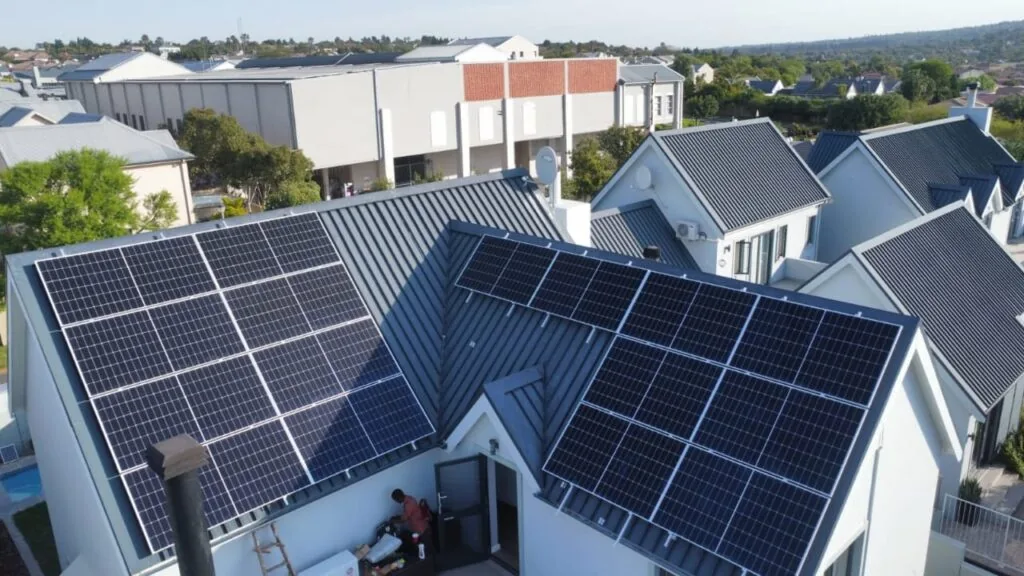
BITO ELECTRICAL carries out electrical maintenance, fault finding and repair work for residential, commercial and industrial properties in Cape Town and the surrounding areas. This includes board work and upgrades, lighting, circuit repairs and COC inspections, together with the solar, backup power, security and automation services described on our commercial and industrial and repairs and maintenance pages.
For a maintenance enquiry, describe your premises and the equipment involved in the form on this page. Your details open in WhatsApp, ready to send to the team, with your area and the service you need already filled in.